Key Takeaways:
Quoting from a sketch and a gut feel is fast up front and expensive later, because the gap between estimated and actual material shows up as lost margin after the job is sold.
- Start with a dimensioned shop drawing and Bill of Materials
- Price from a Bill of Materials generated from a dimensioned drawing
- Buy material by stock length, not the sum of finished lengths
- Estimate labor from part count, not gate size
- Reprice every revision, and list hardware and post setting as real lines
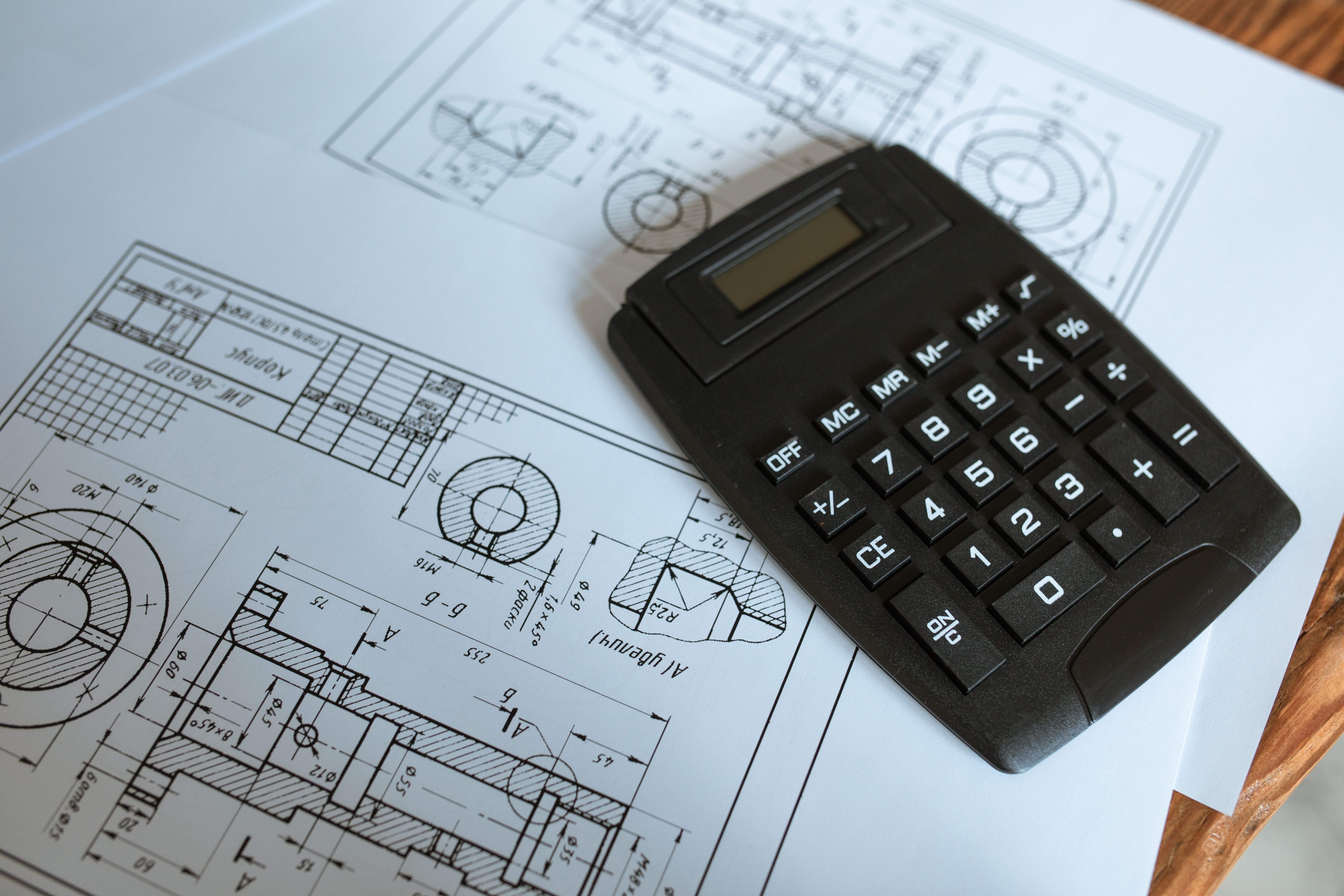
The fastest reliable way to quote a gate or railing job is to produce a dimensioned drawing first and let the bill of materials fall out of it, then apply your labor and markup to a parts list you can actually defend. Shops that quote from a sketch and a gut feel are faster on the front end and slower on the back end, because the difference between the estimate and the actual material usage shows up as lost margin after the job is already sold.
This is the part of the business that rarely gets attention. Most shop owners will invest in a better welder before they'll invest in a better estimating process, even though the estimating process is where the money is won or lost.
Why quoting ornamental work is harder than it looks
A structural fabricator quoting handrail by the linear foot has a relatively stable cost per foot. Ornamental work doesn't behave that way, for three reasons.
Component cost varies enormously. A plain picket and a cast baluster can differ by an order of magnitude. Two gates of identical size can have wildly different material costs depending on what's in them.
Drop and waste are unpredictable. Cutting twenty-three pickets at 34-3/8" out of twenty-foot stock produces a specific amount of usable remnant. Estimating that by eye across a whole job compounds quickly.
Labor scales with part count, not size. A 12-foot gate with eight components is faster to build than an 8-foot gate with sixty. Quoting by square footage or linear footage gets this exactly backwards.
The result is that experienced fabricators develop a feel for pricing that works on the jobs they do often and fails on anything unusual, which tends to be the high-value work.
A repeatable quoting sequence
- Get real dimensions before you price anything. Clear opening, height, slope, number of leaves, and whether posts exist or need to be supplied. A quote built on approximate dimensions will need to be redone.
- Establish the design at a level of detail you can count. "Ornamental driveway gate with scrollwork" isn't quotable. The style, the picket spacing, the specific castings, and the top rail treatment all need to be settled, because they determine the parts list.
- Generate the bill of materials from the drawing. Every frame member with its length and angle cuts, every picket, every casting with its part number, all hardware, and the posts. This is the step that separates a quote from a guess.
- Price the material off actual stock lengths. Twenty-three pickets at 34-3/8" isn't 23 x 34-3/8" of material. It's however many sticks you have to buy, including the drop you can't use. Nesting the cuts against stock length is where a surprising amount of margin lives.
- Estimate labor from the parts list. Count cuts, welds, and finish operations rather than pricing by size. A part count is a far better labor predictor than a dimension.
- Add finishing, hardware, delivery, and installation as separate lines. Powder coat priced by surface area, galvanizing by weight, automation by the operator and the electrical work it needs.
- Apply markup, and know your number. Whatever your target is, apply it to a cost you trust.
Where quotes typically go wrong
The castings get undercounted. Decorative components are easy to miss when counting off a sketch, and they're often the most expensive items on the list.
Waste is ignored. Estimating material as the sum of finished lengths systematically underprices every job, and the error grows with part count.
Revisions aren't repriced. A customer asks for the gate six inches taller. On a picket gate, that changes every picket length and may change the count. Shops that don't reprice revisions absorb them.
Hardware is an afterthought. Hinges, latches, drop rods, and especially automation hardware can be a substantial line, and it frequently gets added as a round-number placeholder.
Post setting is forgotten. Concrete, excavation, and the time to set posts plumb are real costs that get folded into "installation" without ever being calculated.
Making it fast enough to actually do
The obvious objection to all of this is time. Producing a dimensioned drawing and a full bill of materials for every quote is not realistic if each one takes two hours by hand, especially at a small shop where the person quoting is also the person welding, and especially when a meaningful share of quotes never become jobs.
That constraint is the reason quoting-by-feel persists. It isn't that shop owners don't know a parts list would be more accurate. It's that the accurate method costs more than the inaccurate one until the drawing time comes down.
This is where fabrication-specific CAD earns its keep. When the software draws the gate from your dimensions and generates the bill of materials as part of that same operation, the marginal cost of an accurate quote drops to something close to the cost of a rough one. FabCAD's AutoRail automation works this way: you enter dimensions, select materials and specifications, and it produces the drawing and a complete bill of materials with quantities, lengths, and angle cuts.
Two secondary benefits tend to matter as much as the speed.
You can show the customer what they're buying. A dimensioned drawing attached to a quote closes at a meaningfully different rate than a number on a page. Customers who can see the gate are comparing your drawing against a competitor's number, and that isn't a fair fight.
Revisions stop being painful. When a change in one dimension regenerates the drawing and the parts list together, repricing a revision takes minutes, and there's no reason not to do it.